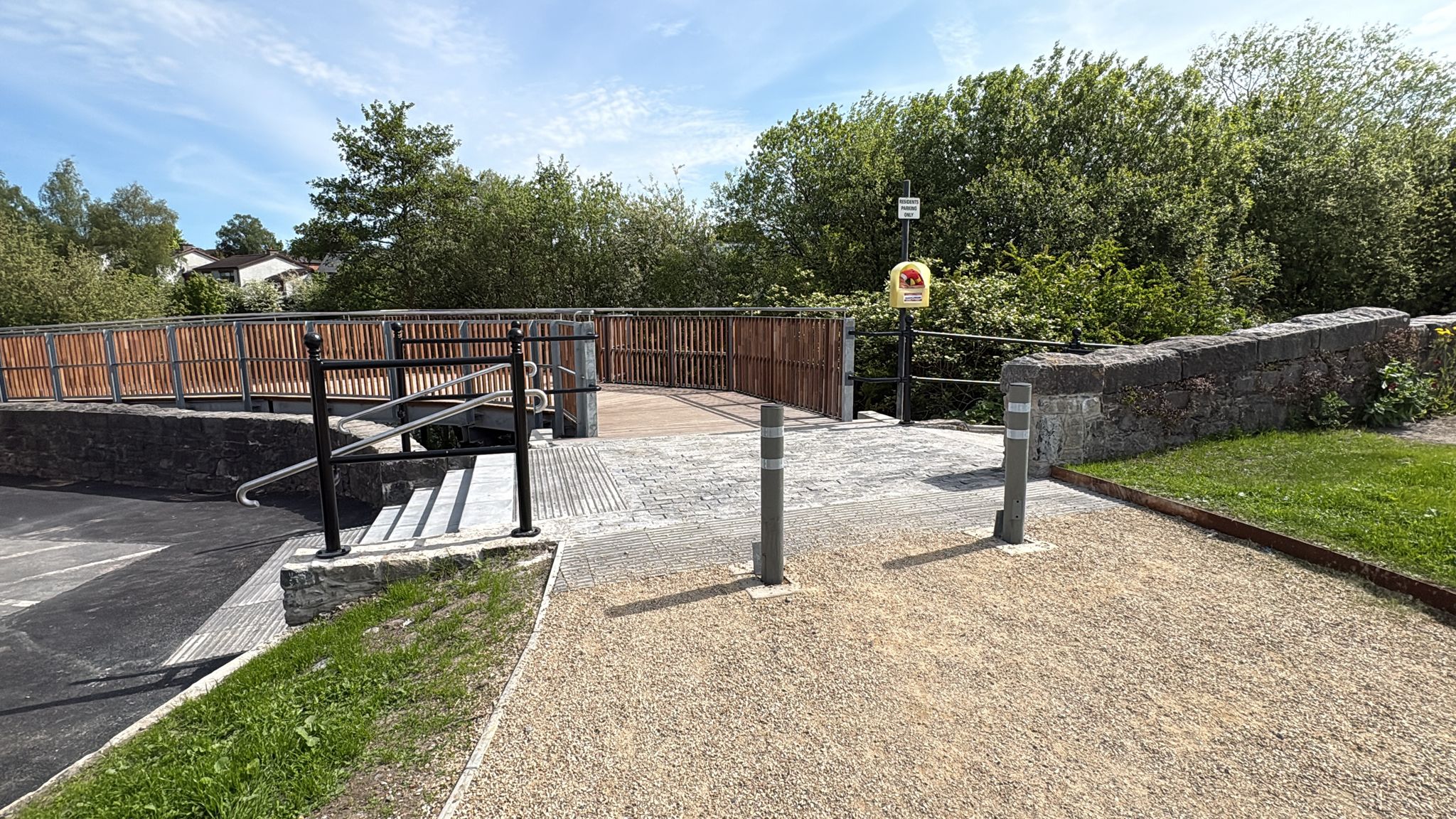
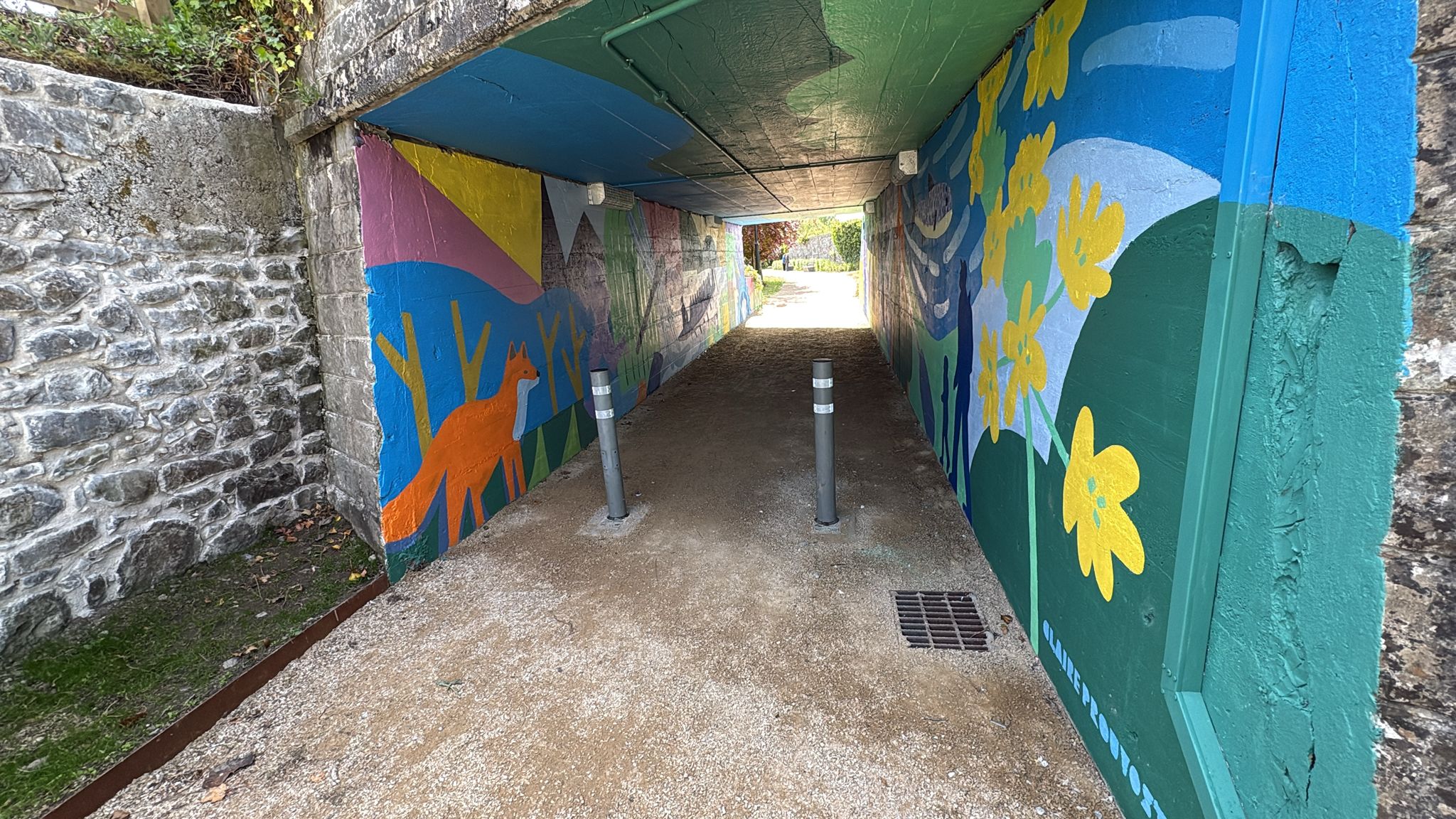
Kilkenny CoCo completed (Oct 25-May 26) a new boardwalk along the River Nore linking to Riverside / Bishops Meadows Linear Park via the Skatepark D8 to the city centre. Native willow were retained and the project has opened a safe crossing under Greenbridge by re-purposing the existing disused underpass.
The completion of this active travel route represents a 3km off road and riverside
travel route along the western bank of the Nore, from the recently renovated historic
Tea Rooms now used as artists studios to the popular swimming area at the Weir
(B1) behind the Talbots Inch heritage village estate and significantly enhances the
promotion of walking and cycling in Kilkenny.



Category Archives: Sustainability
Kilkenny City Clean to European Norms – IBAL for 2025
The final IBAL survey for 2025 was announced on the 5th January 2026. Kilkenny City achieved Clean to European norms. KKB wish to thank all our volunteers, local community groups, resident associations and Kilkenny CoCo for all of their work in Keeping Kilkenny Beautiful over the last year. Congratulations are due to Dun Laoghaire for achieving the top position in 2025.
KKB would agree with IBAL that single use Coffee cups are a serious litter issue. Government intervention is required similar to the plastic bag or the cans and plastic bottle scheme.
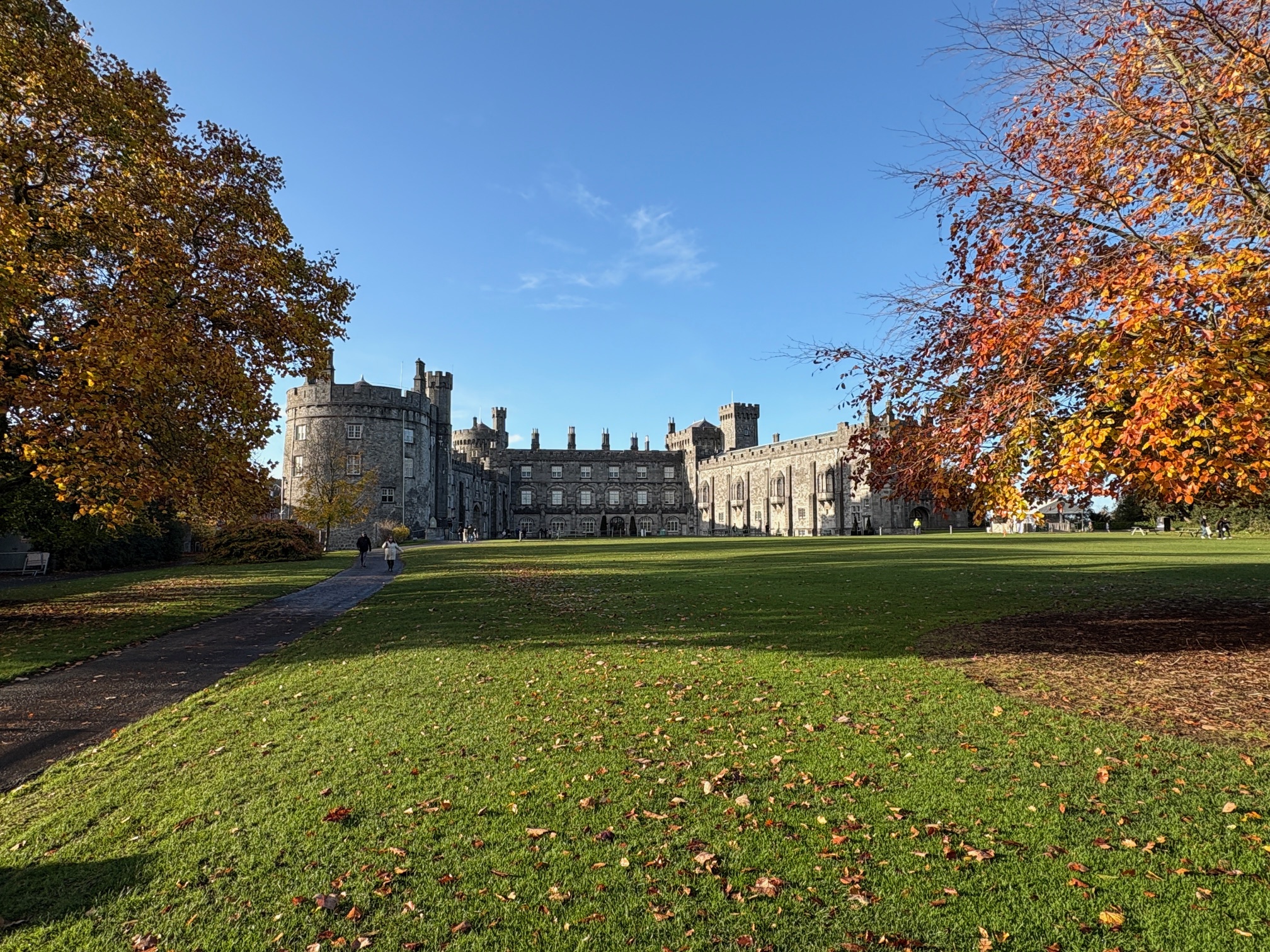
Above: View of castle park which received an A rating.
we set out under the 2025 report for our city.
An Taisce Report – IBAL Anti-Litter League, Survey 2, 2025
Kilkenny: 17th out of 40 towns / cities surveyed. Clean to European Norms.
A good result for Kilkenny with no heavily littered sites and some sites just missing the top litter grade. The latter included High Street, the residential area of Beechlawn and the Bring Facility,New Park Shopping Centre. The wonderful grounds of Kilkenny Castle Park were sensitively presented and maintained – excellent with regards to litter. The Watershed Leisure Centre had some lovely features – picnic tables, welcoming planting at the entrance etc.
The Watershed Leisure Centre: Grade A. There was an abundance of colour in the planter boxes at the building entrance – this created a warm and welcoming impression. All elements of this facility appeared in good order e.g. paving, bicycle parking, wooden picnic tables etc. There was a large wheely bin specifically for bottles / cans. The whole area was excellent with regards to litter.
Dublin Road: Grade B+. This busy route just missed the top litter grade. Road surface / markings / signage were in good order, but there were too many food related items e.g. sweet papers, fast-food wrappers and plastic bags, for the top litter grade. Perhaps the installation of a litter bin at the bus stop might help?
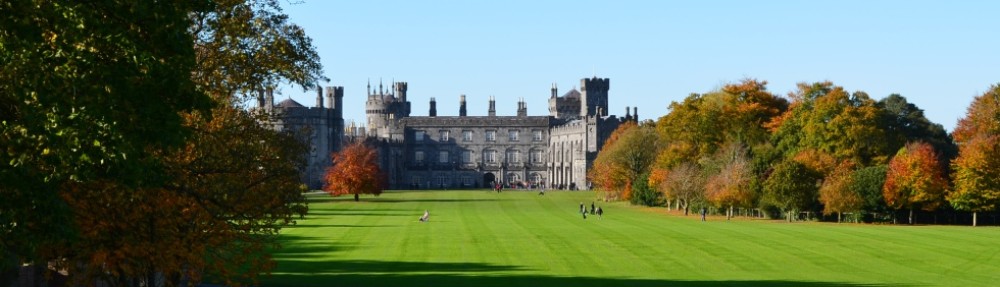
Kilkenny Castle Park: Grade A. This wonderful expanse of parkland was so deserving of the top litter grade. Not only was it very good with regards to litter, but it has also been sensitively presented and maintained with excellent visitor information (including colourful ‘Ecology of an Oak Tree) and plenty of references to Biodiversity. Seating, signage, litter bins etc. were all in very good condition.
New Park Shopping Centre: Grade A. A freshly presented shopping centre and car park environment – there was a virtual absence of litter throughout.
High Street: Grade B+. Paving, litter bins, bollards, wooden seating and planter boxes were freshly presented, creating a positive impression along this busy shopping street. Much of the area was good with regards to litter but there were too many cigarette butts, coffee cups, fast-food wrappers and sweet papers near Market Yard for the top litter grade. With a little extra effort, this could be achieved.
Deposit Return Scheme, SuperValu: Grade A. This small ‘in-store’ facility was spotless – well done to all concerned.
Bring Facility, New Park Shopping Centre: Grade B+. This facility just missed the top litter grade – the overall impression was a good one but there were too many loose litter items at the base of clothes banks.
John’s Quay: Grade B+. The 1914-1918 Memorial was looking well and there was a wonderful series of coloruful murals along one stretch. Seating, litter bins, signage, planted areas were in good order. Maintenance was underway at time of IBAL visit. Minor litter items were primarily alcohol related, particularly close to John’s Bridge.
Market Yard Car Park: Grade B. Some lovely features in the car park environment included an abundance of planter boxes and picnic tables. Some parts presented quite well. However, the overall impression was of a moderately littered space, a wide variety of food related and cigarette butts, along with a couple of bags of rubbish.
Beechlawn: Grade B+. Not much effort is required for this residential area to get the top litter grade – it was freshly presented, large expanse of grass area and generally in very good order. Litter items were all food related.
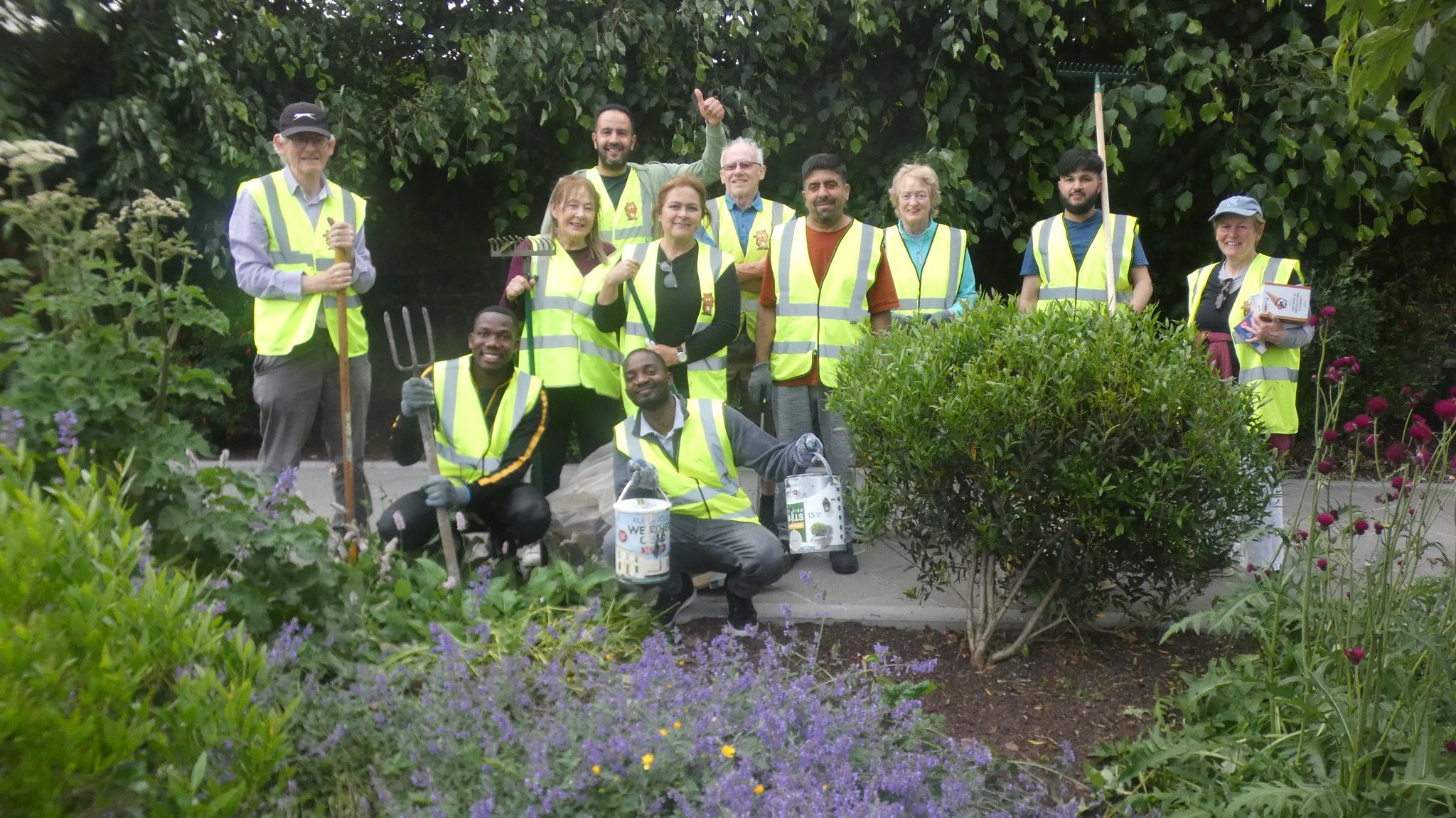
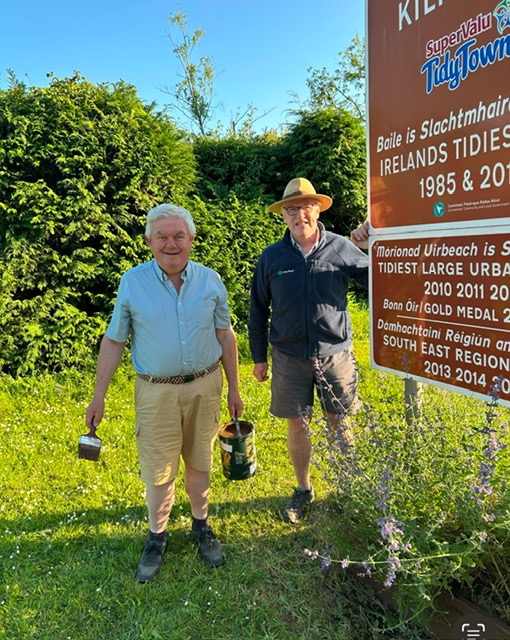
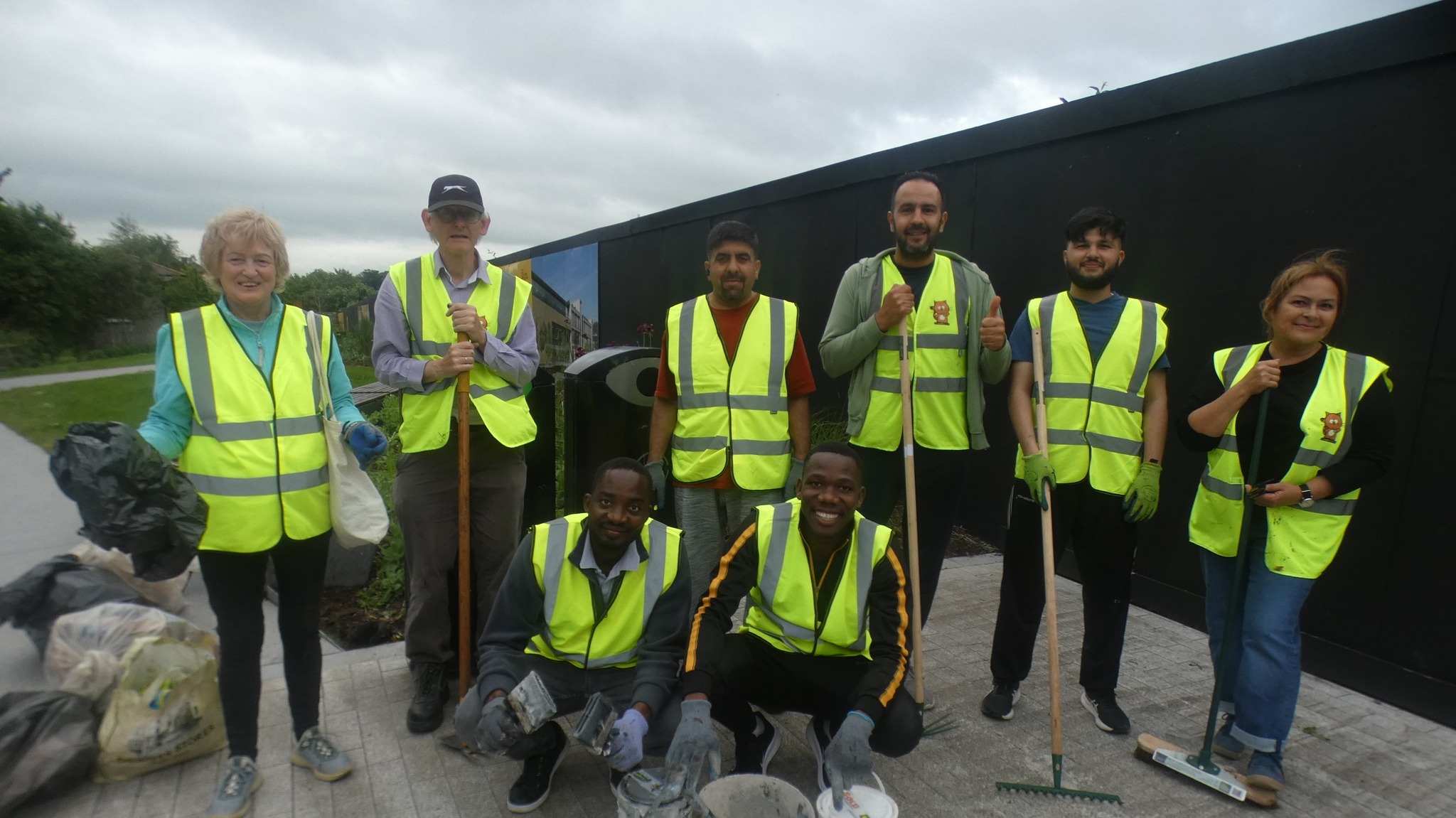
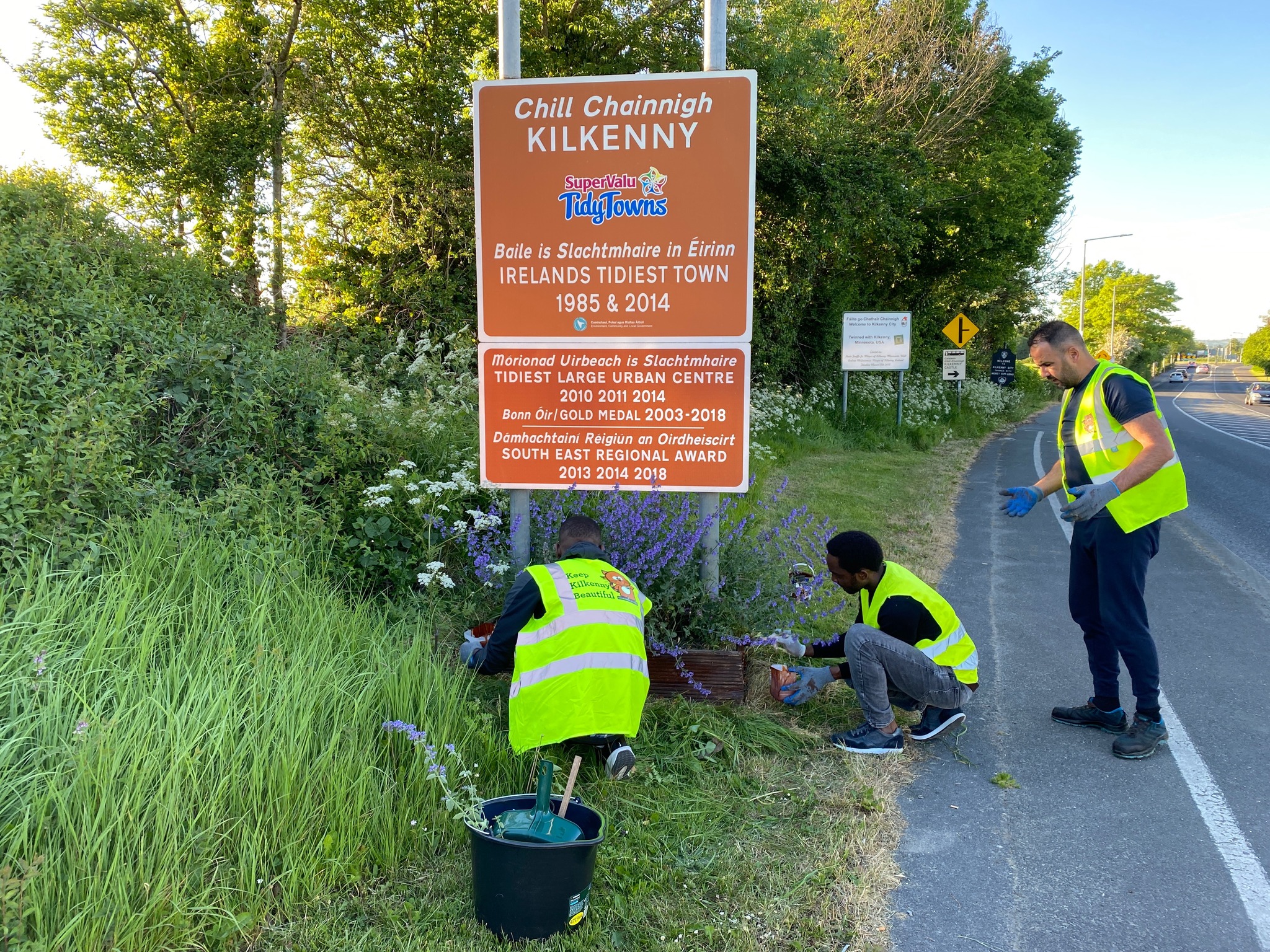
Great activity in Kilkenny as the long summer days arrive .
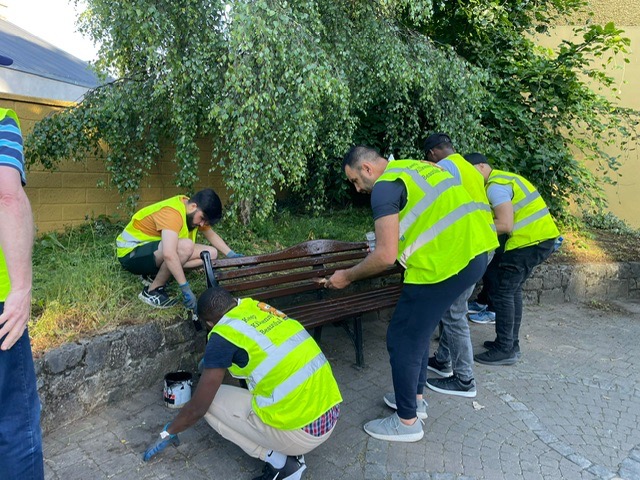
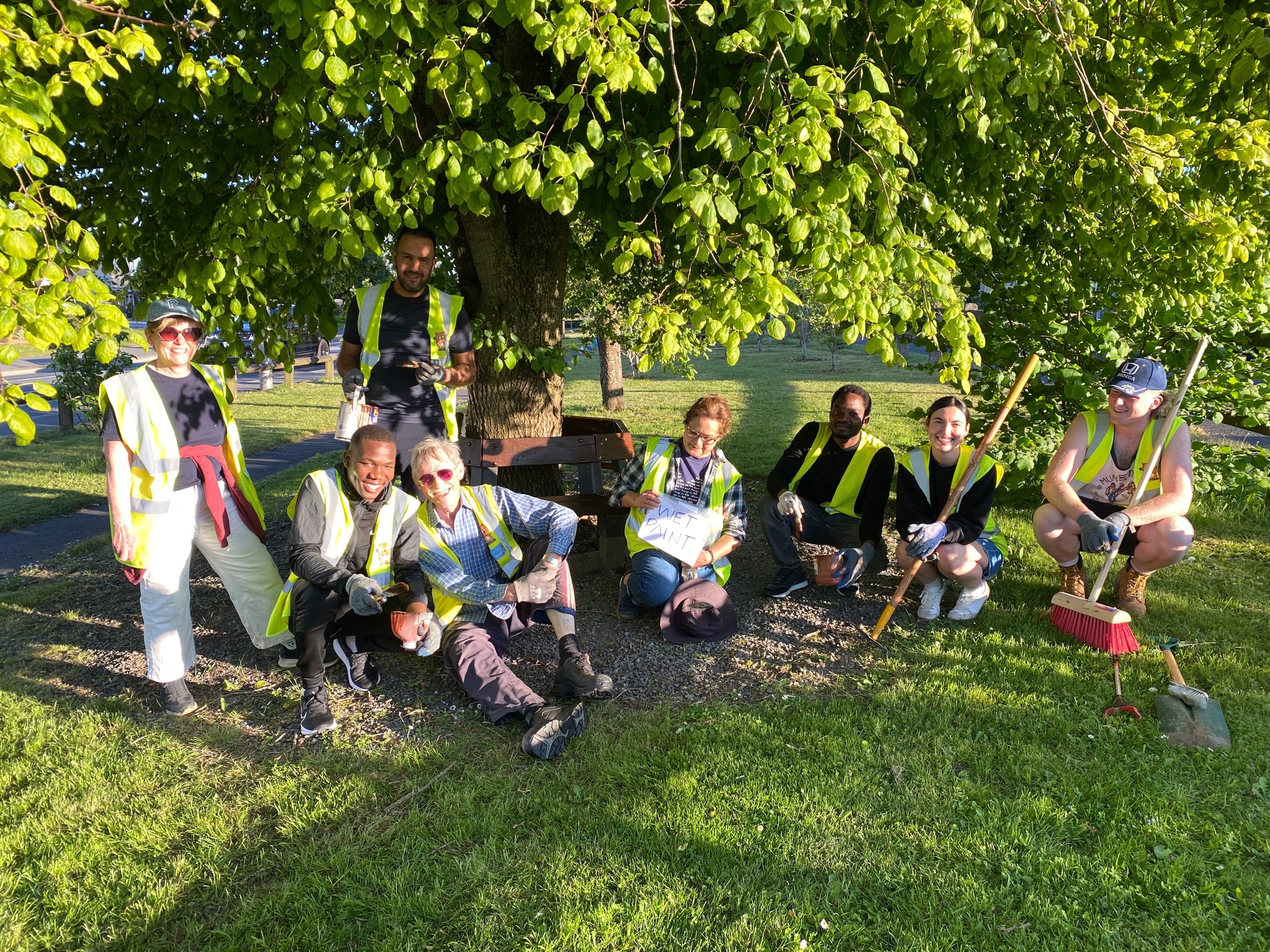
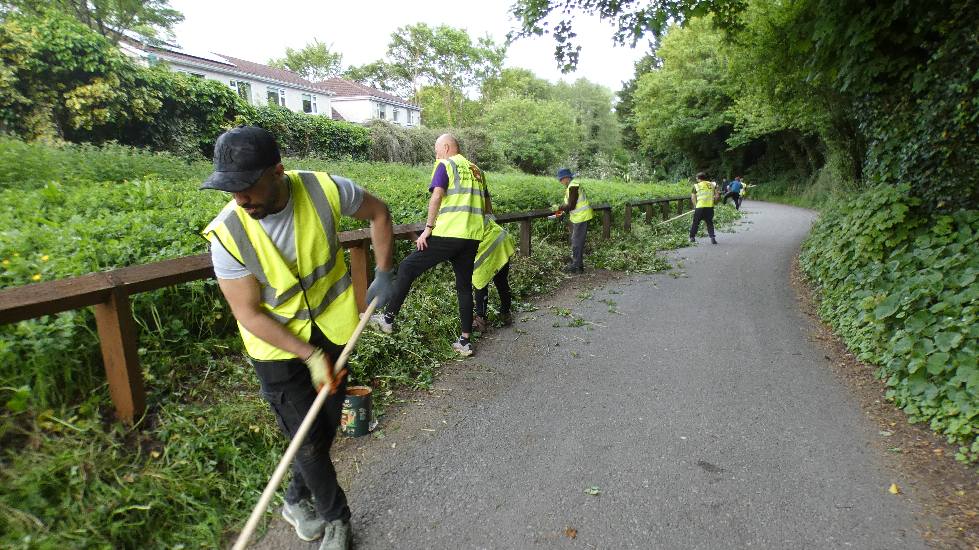
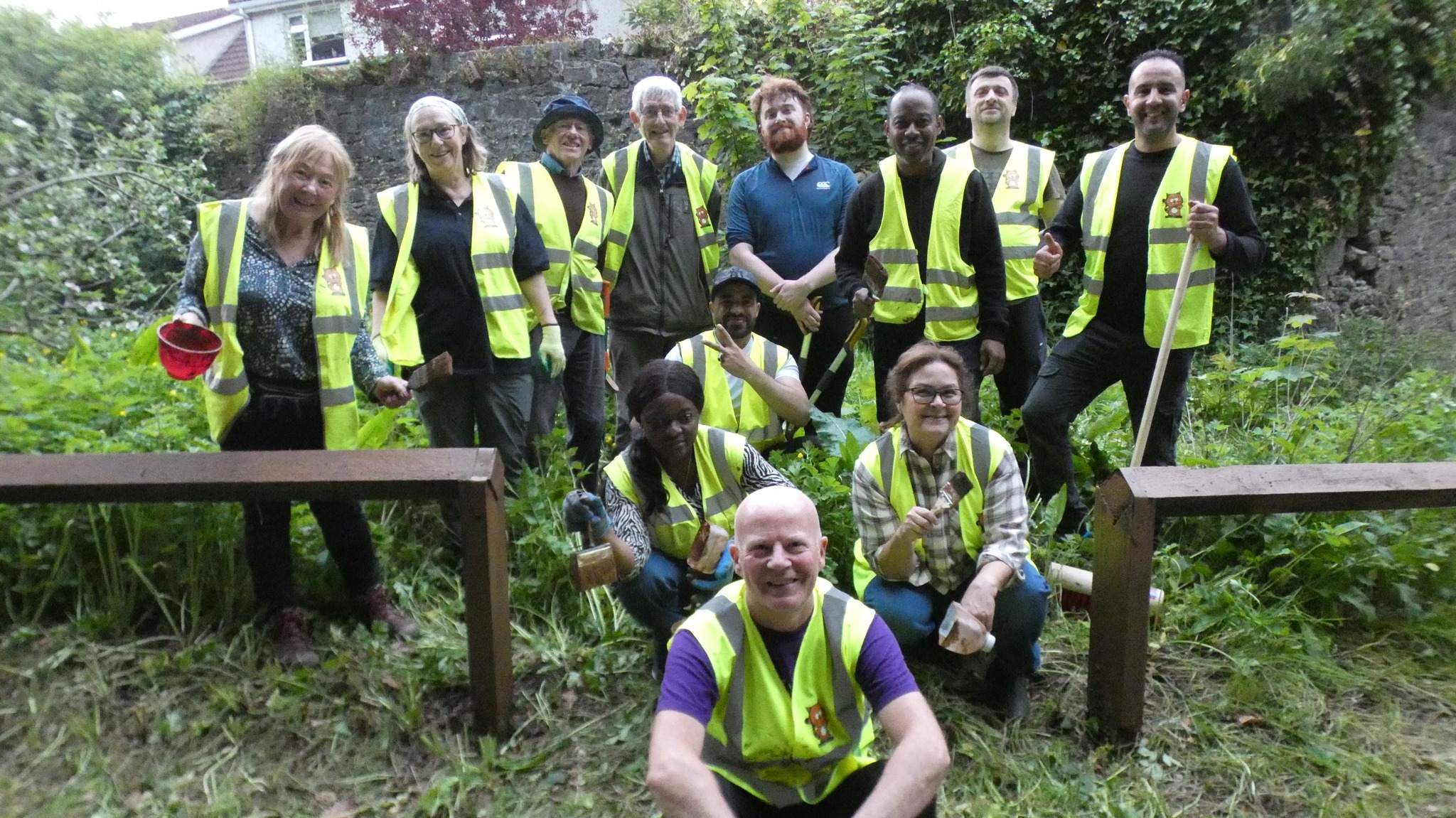
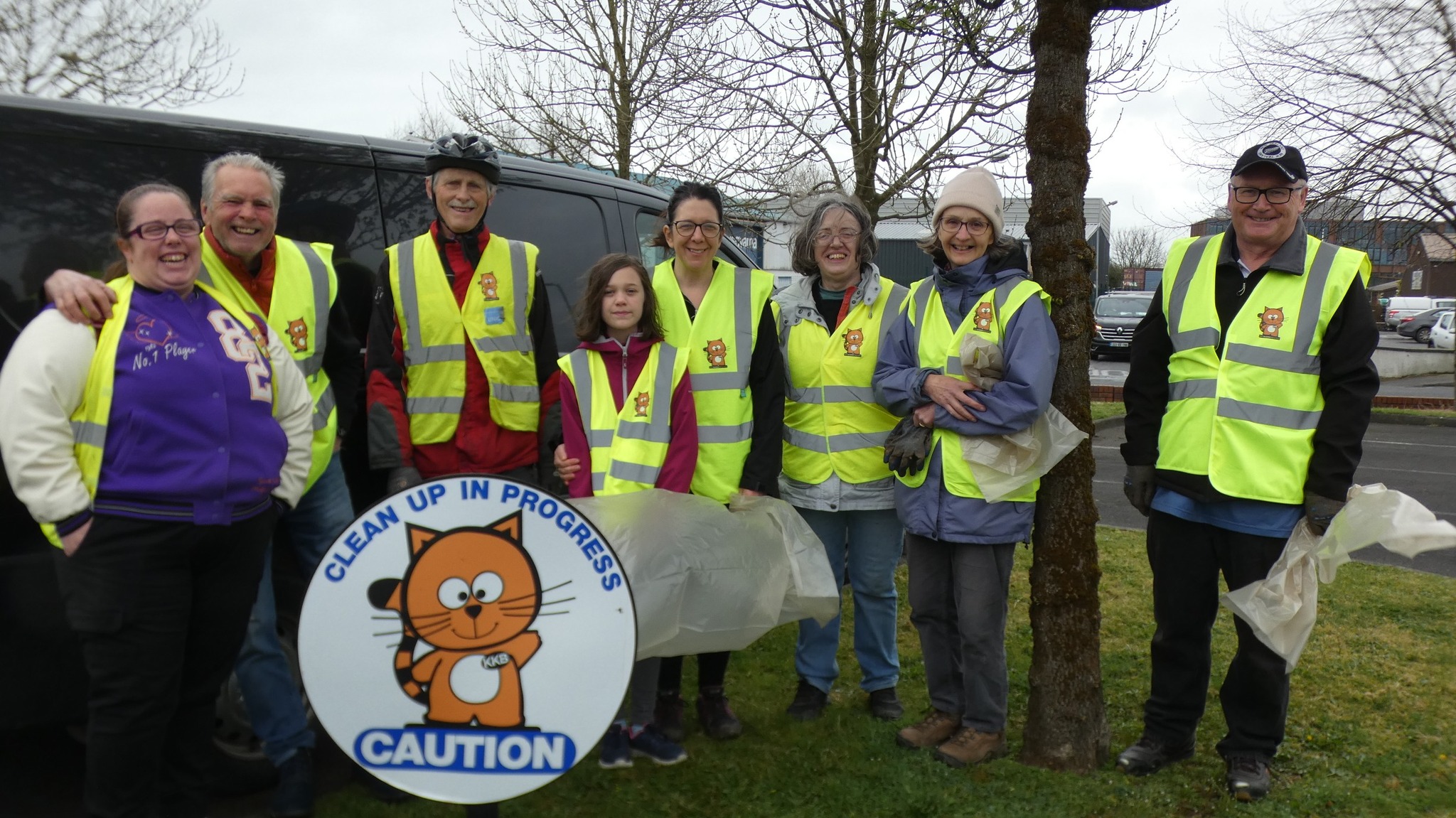
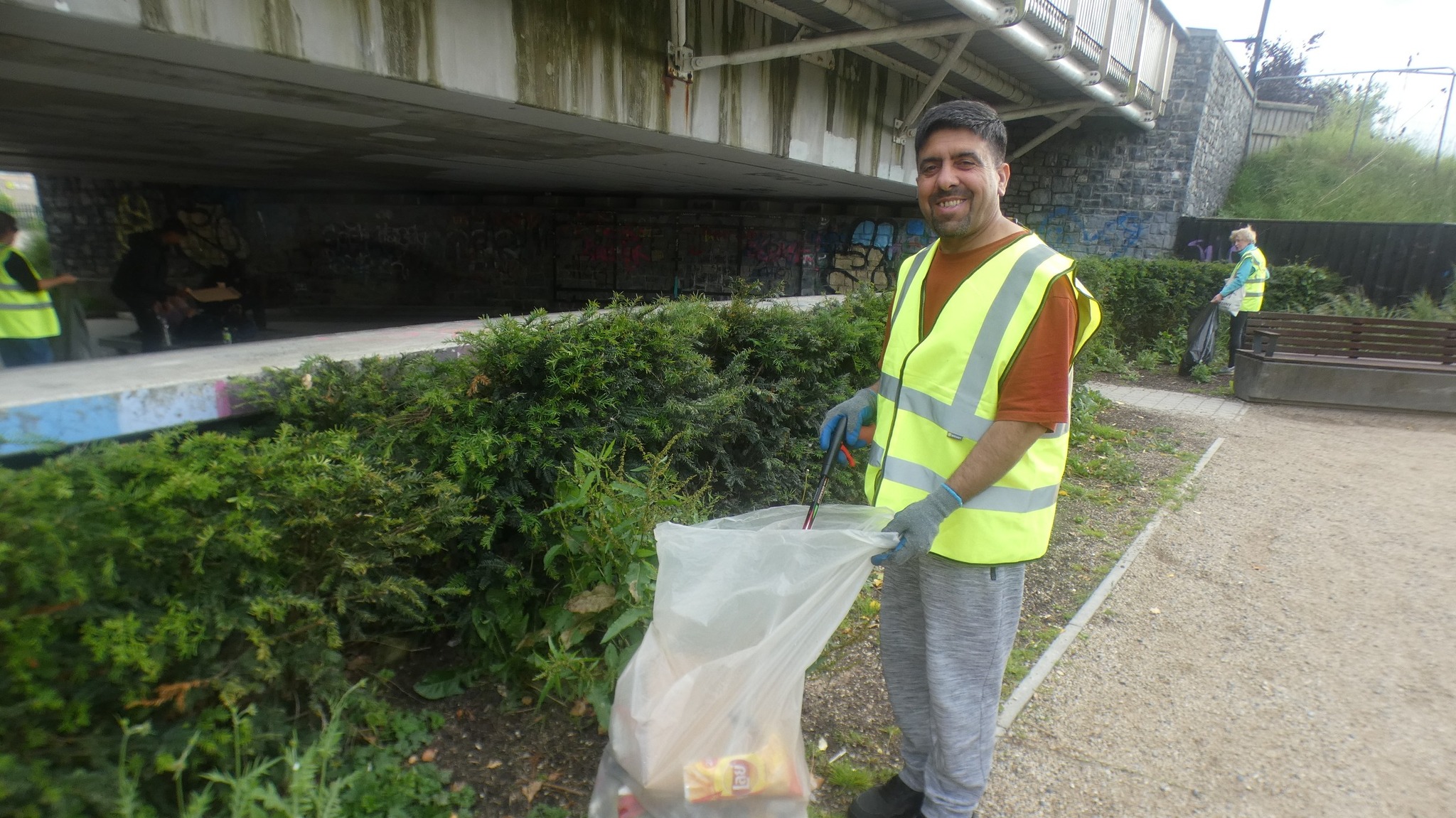
There has been great activity and many events organised by KKB, Lions Club other voluntary groups and resident associations as the days get longer. Our many volunteers are enjoying a mix of activities which are taking place on a regular basis (Tuesdays and Thursdays between 7pm and 9 pm )and also on regular basis on Saturdays between 10am and 12 noon. All locations to meet and dates are broadcast once the weather forecast is known each week.
All activities are posted on our KKB News & KKB Biodiversity whatsapp pages for those who are registered. We also have regular news items on our Keep Kilkenny Beautiful Facebook page. Whether its control of invasive plant species, new planting, painting and repairing, trimming, cleaning or picking it’s all helping to Keep Kilkenny Beautiful.
Why not join our team?
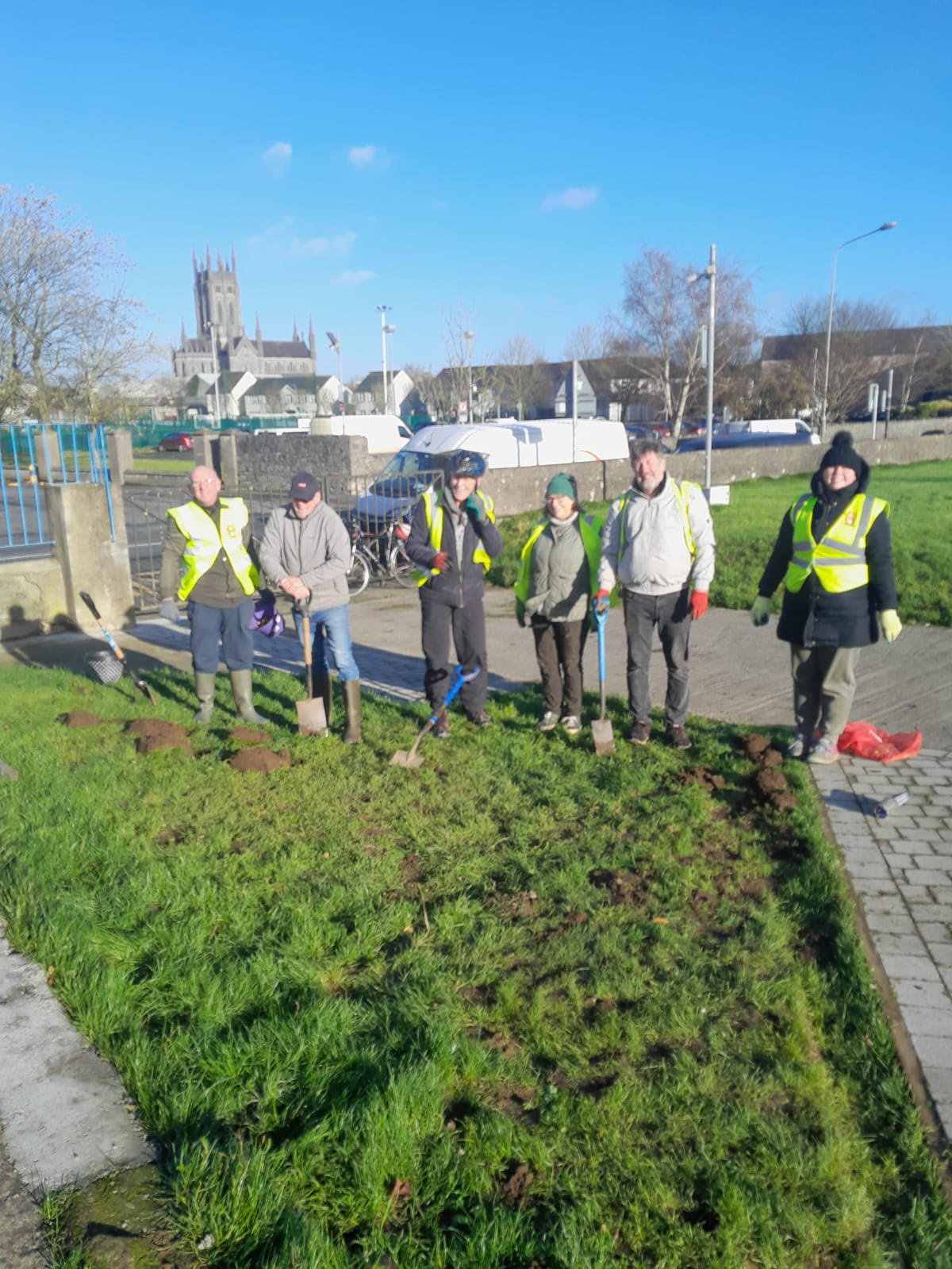
20,000 spring pollinator bulbs planted at The Closh
Work continues at the Closh with the planting of 20,000 spring pollinator bulbs completed. we look forward to a colourful spring!
Launch of the Closh Times Mural
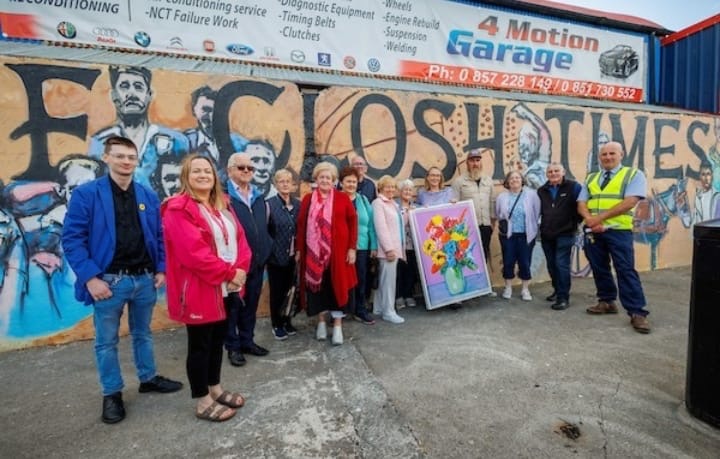
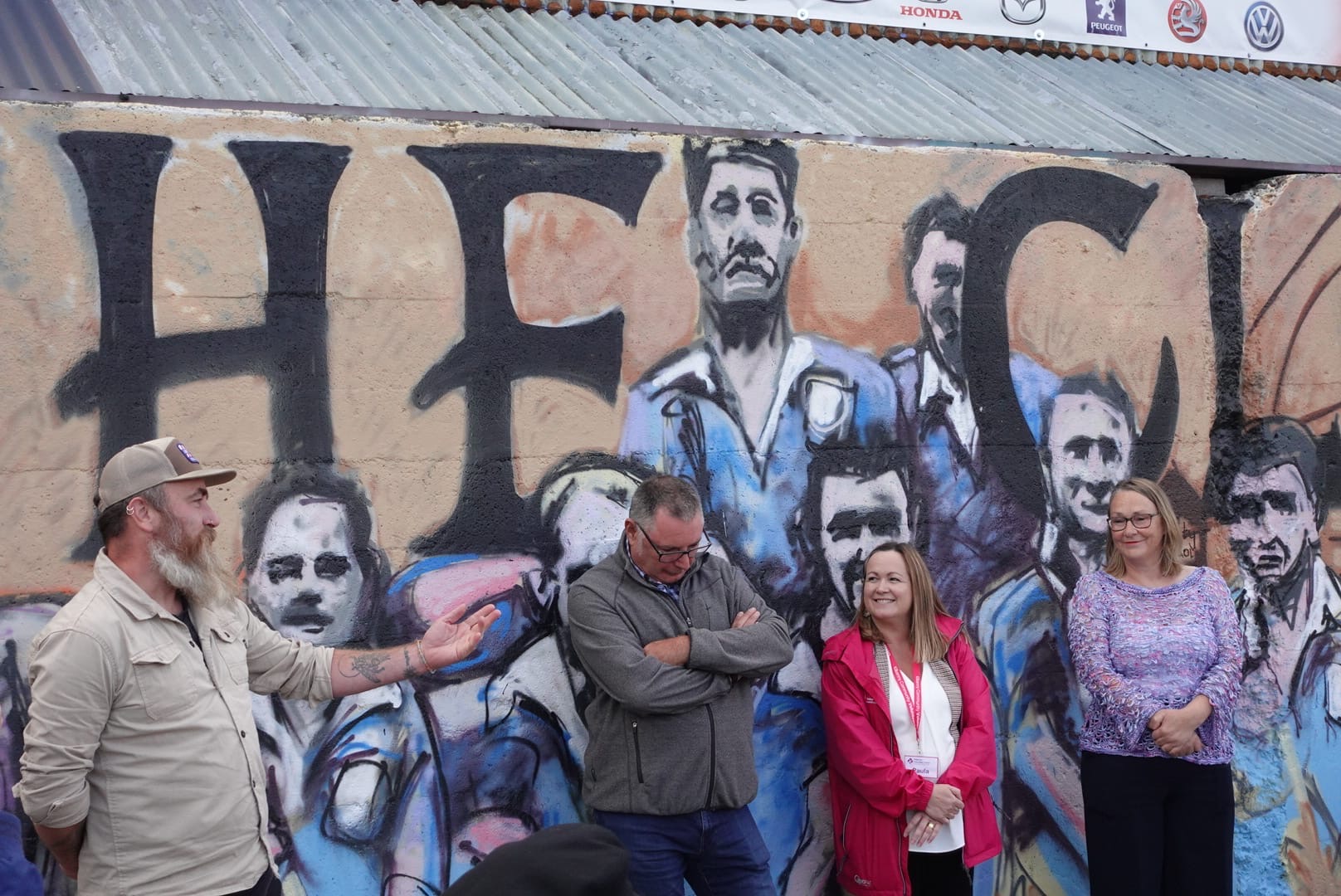
A great KKB community event too place with the launch of the Closh Times Mural at the Closh.
The mural project was supported by KKB, CKETB, and the Kilkenny Volunteer centre. Graham Carew artist designed the mural. Keep Kilkenny Beautiful have been working with the local community over the last number of years to develop a new biodiversity garden and mural in the area. The mural depicts scenes from the rising, Civil War and more contemporary images. The launch took place as part of Heritage week 2024 in Kilkenny. St Mary’s Centre also hosted a reception following the launch. 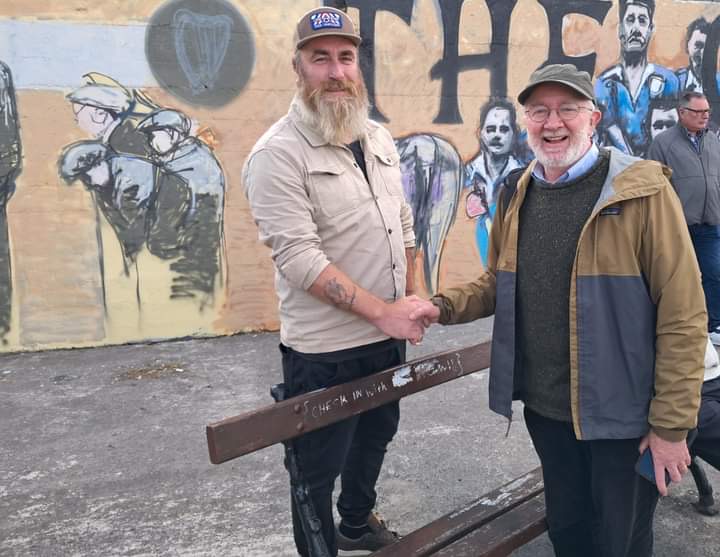


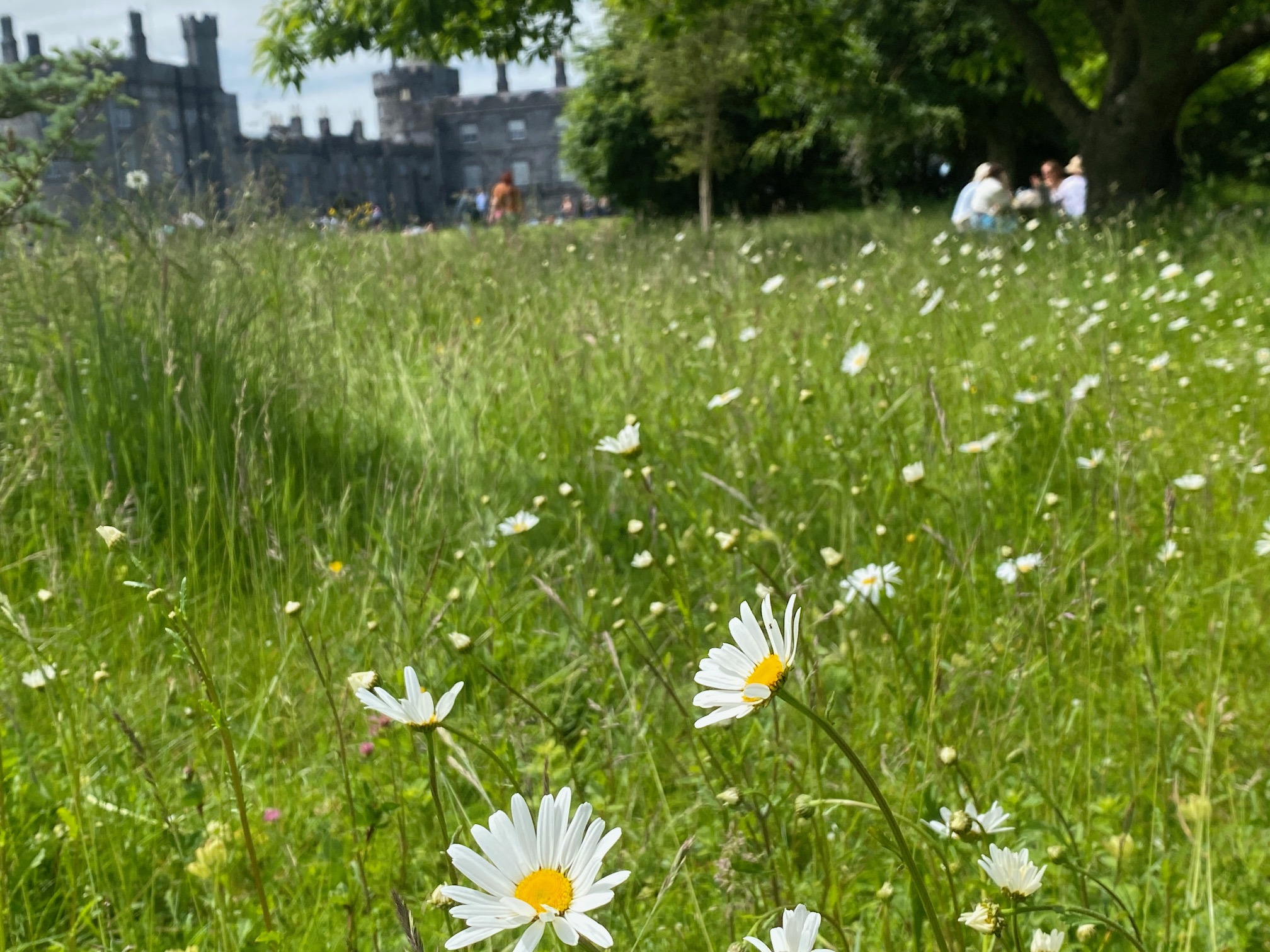
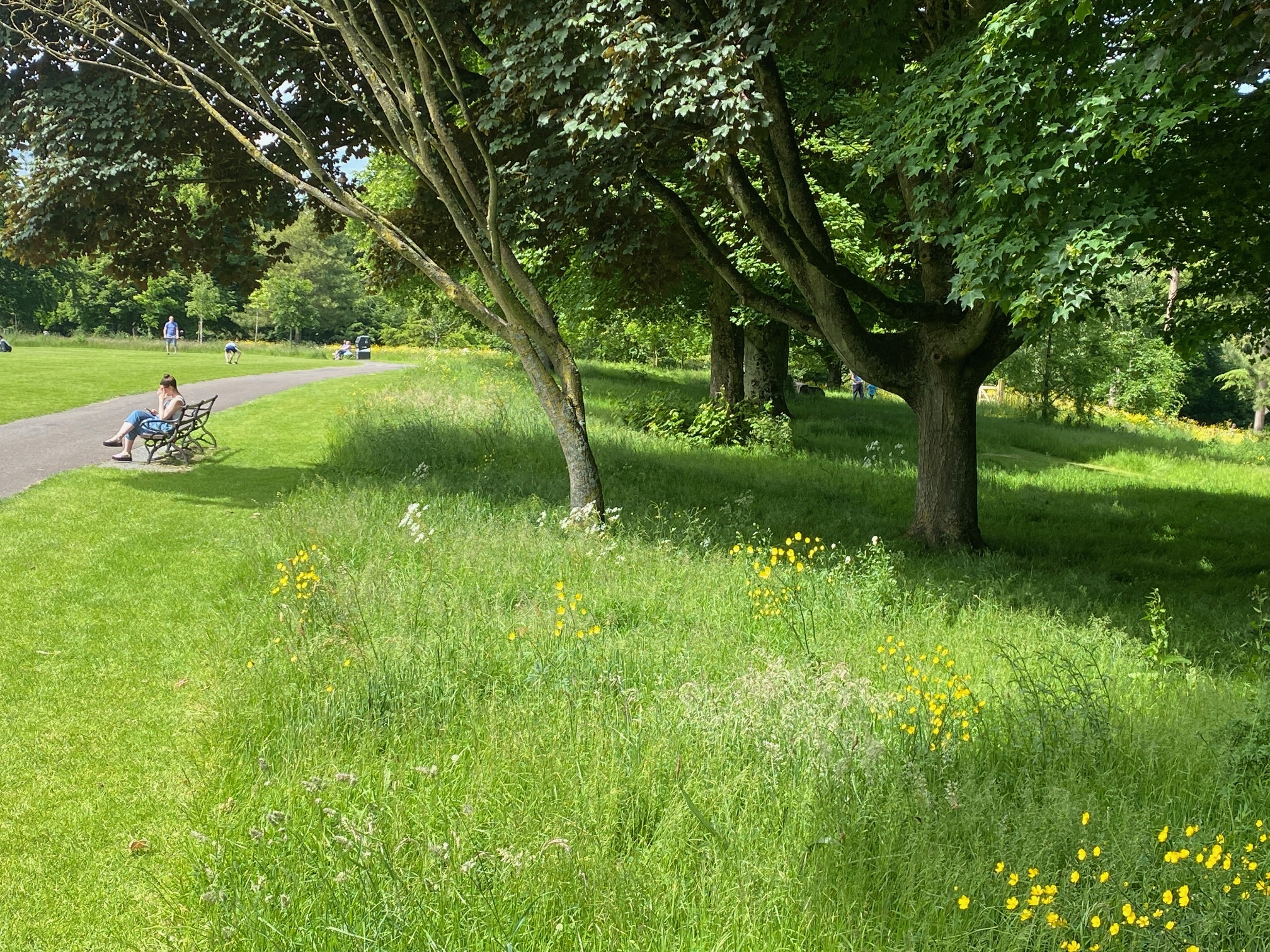
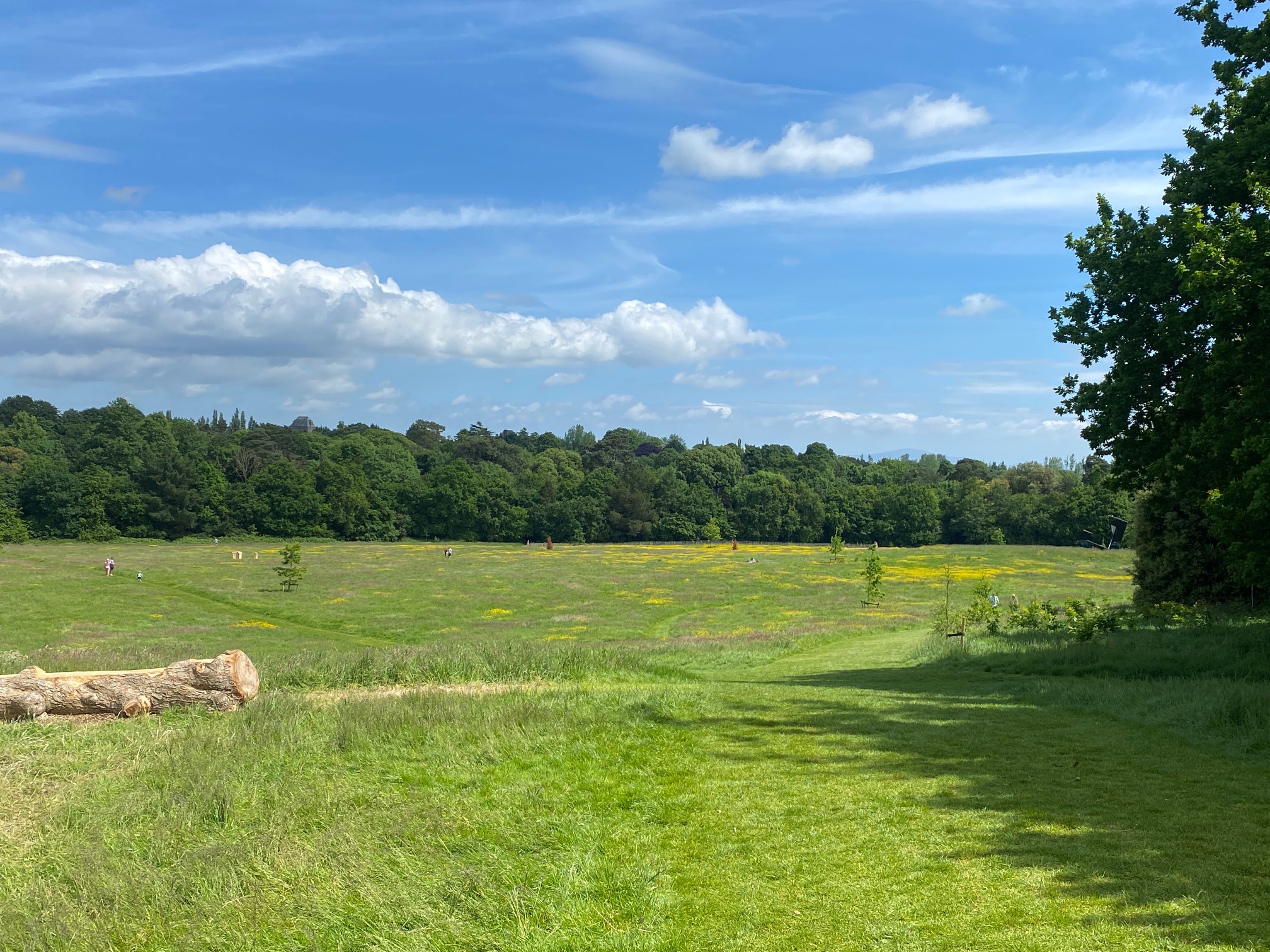
Kilkenny Castle park visit June bank holiday
Kilkenny Castle park is a wonderful place to visit in June and soak up the summer sun.
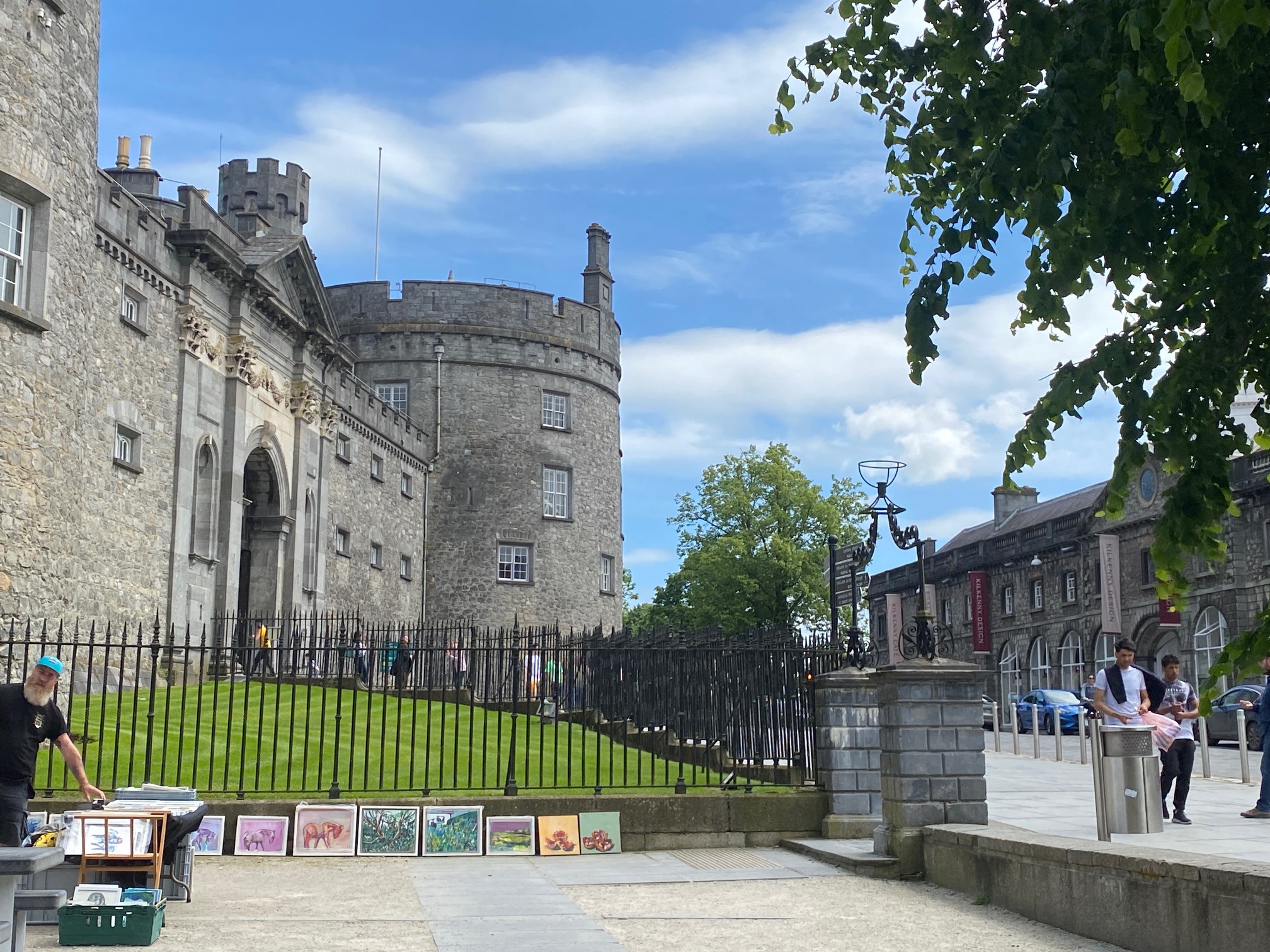
Once through the main castle gate and into the grounds there is so much to see.

Visiting the formal gardens is always a treat.

Why not be a little bit more adventurous. Take one of the rambling forest walks and also enjoy the wild flower meadows. There has also been extensive new tree planting and an oak tree nursery has been established. The grounds are open to all (without entry fee) every day from early to late.


New two way cycle lanes open in High street
A great new cycle link right through our city opened at the start of May. the new contra flow cycle link allows two way cycle traffic on the entire length of High St. To celebrate a group slow roll cycle took place on the 7th May along the Parade & High st with a stop at the City Hall.


Kilkenny Countryside Park is open for visitors
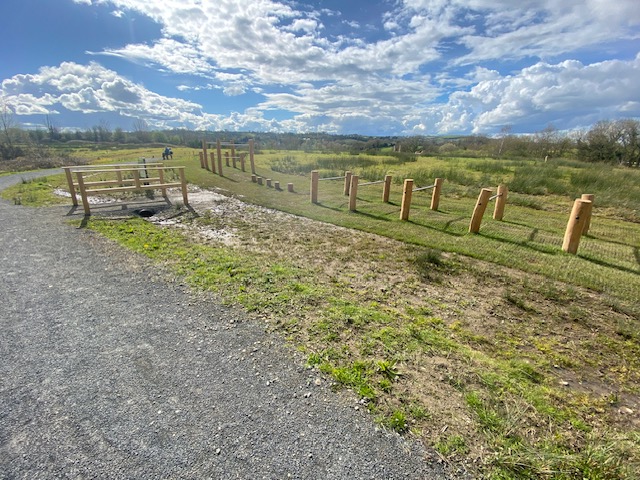
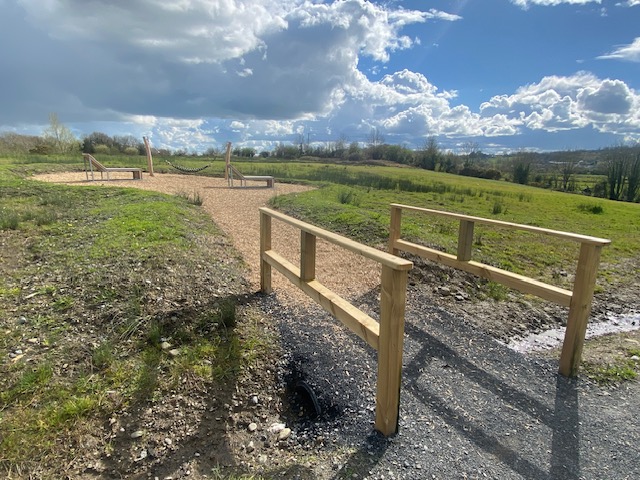
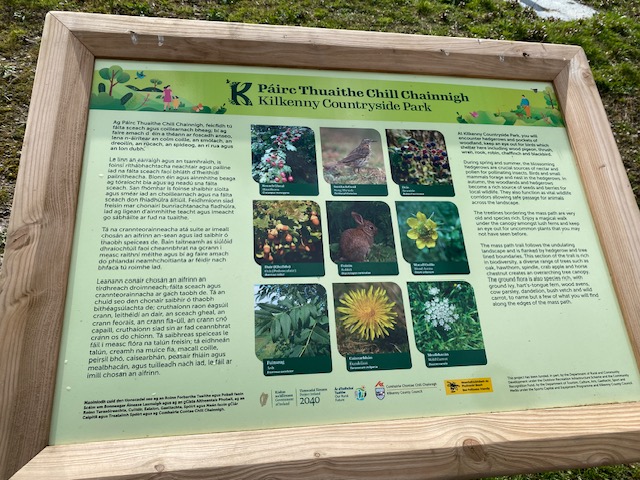
Kilkenny Countryside Park is open for visitors. The former Kilkenny dump has been rehabilitated as the new country Park and is open to visitors. From the city centre cycle access can be via Bleach road, there is also parking available off the bleach road, adjacent to the park entrance at Castlecomer road or alternatively parking at Dunmore church and access the park via the historic mass path.A recycle centre is located adjacent all recycle items can be returned and segregated.
New planting is ongoing and attractive seating and activity centres for both young and old and our doggy friends are provided.There is even a hurling wall protecting the great hurling tradition of Kilkenny.


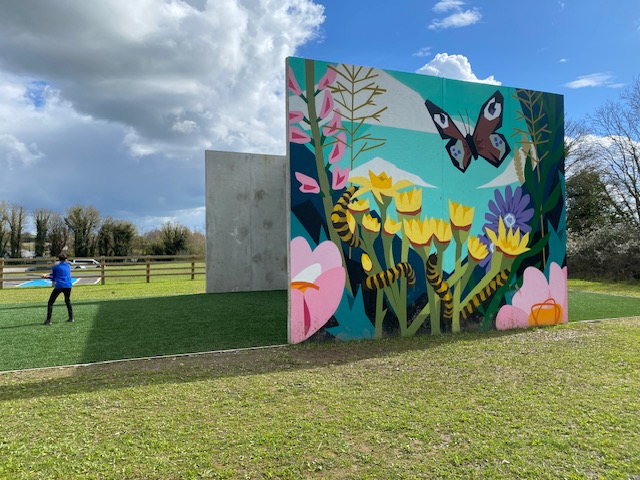
Hurling wall with two sides

There area also sustainable toilet facilities. the park closes each evening the time varies depending on the time of year. there is extensive new planting.


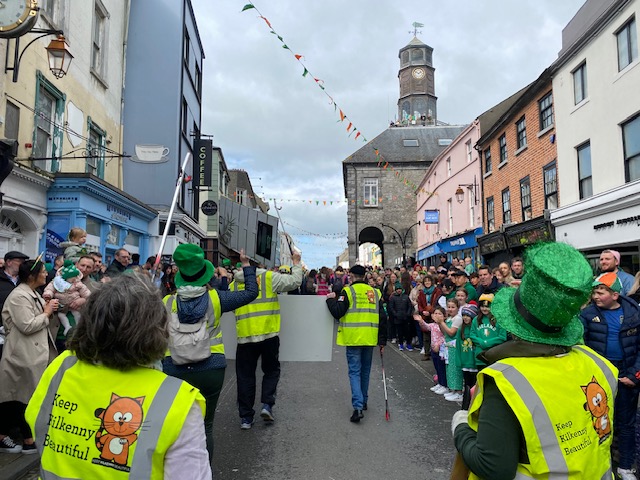
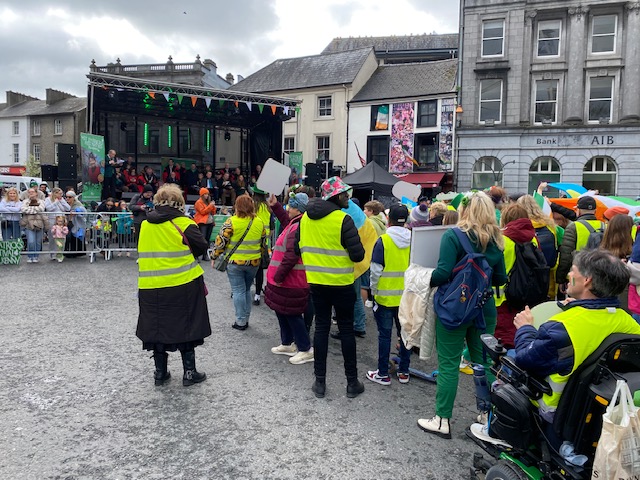
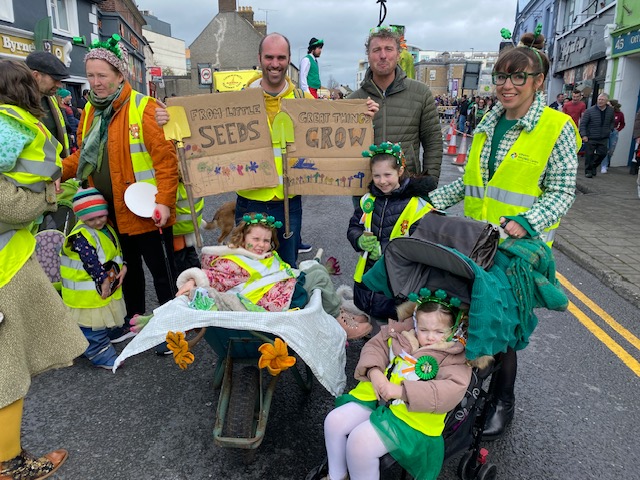
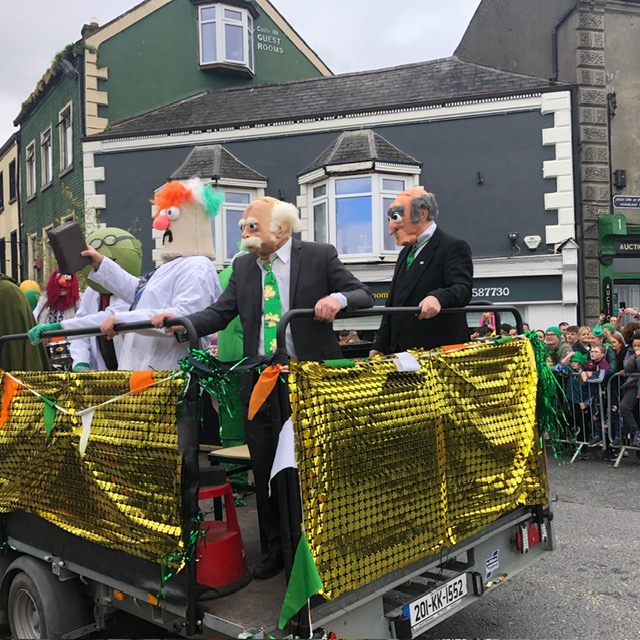
KKB and Volunteer centre partake in St Patrick’s day Parade 2024
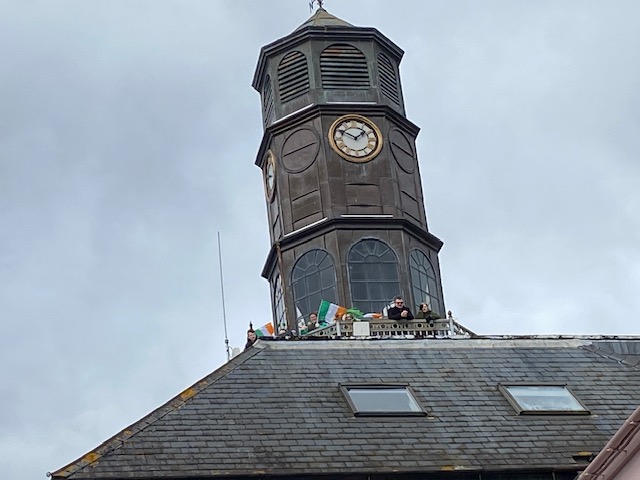
A great day was had by our many volunteers as we took part in the 2024 St Patrick’s Day parade in Kilkenny. Good weather and a big crowd viewed the spectacle. The environmental friendly parade was enjoyed by all!







KKB Submission to the 4th National Biodiversity Action Plan
we set out under KKB Submission to the 4th National Biodiversity Action Plan:-
4th National Biodiversity Action Plan
Response to Draft for Public Consultation. Thank you for the opportunity to consult on the above matter. We would be grateful if the following points could be considered for future drafts.
Whole of government and whole of society approach
· Effective communication and buy-in are critical to delivering the national biodiversity strategy. Increasingly, sectors like agriculture, industry and conservation are becoming more siloed and oppositional as policy and financial pressures increase and mutual understanding decreases. In order to deliver a truly ‘whole of government and whole of society approach’ all sectors of government, business and society need to be included in the delivery of the biodiversity strategy. Effective solutions to biodiversity issues can often emerge from within a community, sector or industry when engagement is meaningful and non-confrontational.
· There is potential to introduce pilot projects that bring different communities and sectors together to deliver tangible on-the-ground solutions to specific issues in areas such as agriculture, energy and community development in a collaborative way. These pilot projects could be used to promote, not just the solution, but the collaborative process that delivered change and models conflict resolution strategies.
Biodiversity Net Gain
· The Plan should set out objectives that enable each sector to achieve Biodiversity Net Gain on new plans and projects. Mandatory BNG has recently been introduced in England and Wales and adopted voluntarily in other areas and sectors. Good quality baseline information is critical to delivering and monitoring BNG along with adequate resources within the consenting authority to review applications and long-term delivery.
· Planning and Development requiring planning permission should be linked to the achievement of good ecological status in associated water courses prior to planning approval and after completion of projects
Communities
· Community empowerment is one of the most effective means of delivering change and is necessary for societal buy-in. Bottom-up initiatives like the All-Ireland Pollinator Plan have proven successful in harnessing community energy by undertaking clear evidence-based, targeted actions on a very specific topic. Similar initiatives could be developed through organisations on the ground once they are adequately resourced to develop targeted strategies. This can can help avoid stagnation in the delivery of top-down policy.
Education and research
· It is estimated that there is as much biodiversity below ground as above ground, but soil ecology and biodiversity is often completely overlooked, outside agricultural fertility parameters. Healthy soils are critical to food production, carbon sequestration, medical treatments and a range of other services that are beginning to be recognised. This is a growing area of research in light of both the biodiversity and climate crises and would benefit from acknowledgement and support within the NBAP.
· Further emphases should be given to delivering sustainable education programmes at Junior, TY and Senior cycles to introduce ecological literacy and ensure that children and young adults have a good understanding of biodiversity issues and actions needed to protect it. Increasingly, more of us are living in urban settings and have lost connections to nature and our basic understanding of food production and other ecosystem services. There is potential to develop projects that link schools with the farming community or other individuals and groups that work with nature. While many programmes, such as Green Schools, have achieved excellent results, there is still significant potential to bring nature and sustainability into schools and the curriculum as a whole.
Resourcing and waste management
· Food production and food waste are critical issue for biodiversity both globally and nationally. Globally we waste one-third of all food produced annually. This equates to approximately 16% of habitable land on the planet. In Ireland, we waste approximately 1 million tonnes of food per annum. By changing this one issue, we could divert the wasted land resources to biodiversity use and reduce GHG emissions from production and decomposition. The Plan clearly acknowledges the devastation impacts climate change will have on biodiversity and the irreversible effects on ecosystems. Targeted programmes to engage communities on the ground to tackle specific issues around food production and waste could be considered for support within the Plan.
· An engaged society, targeted actions and adequate resources are needed to deliver an effective strategy. Funding along with people’s time and energy are all limited resources and should be spent wisely. Ineffective and wasteful spending should be identified within Departments and programmes and re-routed to bodies and programmes that can deliver. Examples of this occur in agricultural schemes where participants are financially incentivised to take actions that have no demonstrated benefits, or in some instances, they have negative effects on biodiversity. These schemes are sometimes developed without the appropriate input from relevant experts and groups that could guide a meaningful programme. In other instances, it can occur where new actions or programmes are trialled but proved ineffective, but continue to be implemented by Departments.
Lessons learned
· Globally and nationally, we have failed to deliver on successive plans and actions to protect biodiversity. Our food, energy and consumption models are broken and need transformative change. Learning is an iterative process and mistakes are part of that process. It’s important that we build in effective review processes, learning from previous successes and failures and change course as required.